
Most people know a version of me.
The podcast guy. The Adobe guy. The one who shows up on conference stages and photography panels. Maybe you’ve heard my name attached to Lightroom, or TWiP, or some article about where the industry is headed.
Those are real pieces, but they’re pieces.
Here’s the whole picture.
What I Do
Photography industry analyst · Podcast host · Former Adobe Lightroom Product Manager · Former Apple iPhoto/Aperture Senior PM · AI strategy consultant for creative professionals · Public speaker on technology and media
Currently: Director of TWiP at Awesome Inc (parent company of SmugMug and Flickr) · Vice Chair of the International Photography Hall of Fame · Independent consultant on AI strategy for creative businesses
Flint, Michigan
I was born in Flint, the youngest of five — two brothers, two sisters. My father, Thomas Van Johnson, owned a brick-and-mortar television repair shop called TV’s Radio and Repair. The initials were intentional. My mother, Ruth, was a stay-at-home mom who made most of my school clothes. She always let me pick the fabric. I still remember my favorite: a Lee Majors-style leisure suit from The Six Million Dollar Man.
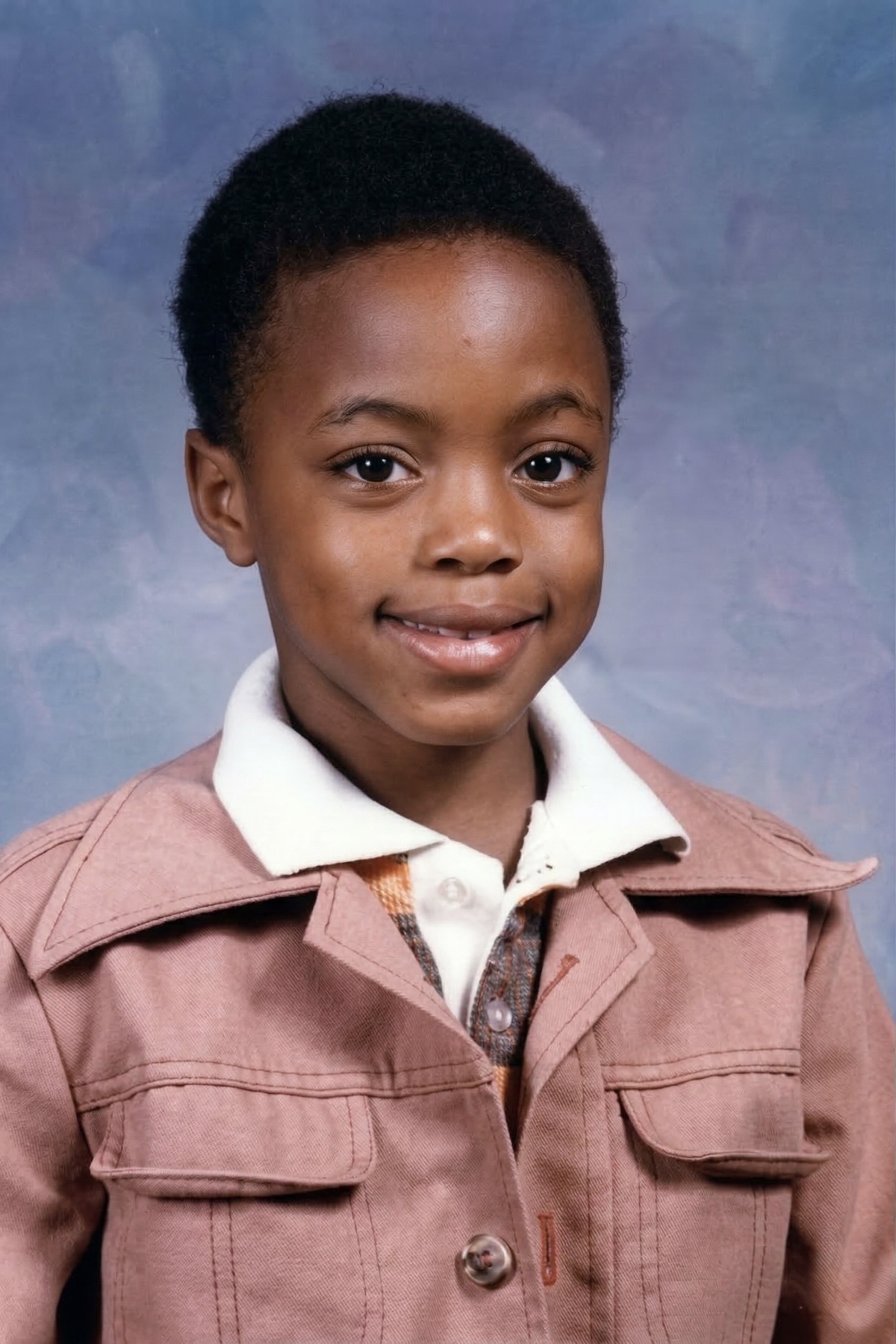
Dad later worked for the ABC affiliate in town, producing the Bozo show — filmed in front of a live studio audience of kids. One day I got to be in that audience. The show was sponsored by Wonder Bread that day. Instead of toys, we got loaves of bread. Even as a kid, I knew something was off about meeting your heroes.
But here’s what mattered: my father went to high school in Mississippi with Oprah Winfrey.
Years later, when Oprah launched AM Chicago, she recommended my dad for the Engineer role. He took it. He became the first African-American to head up engineering for a major television show. Later, he was promoted to Chief Engineer at WLS-TV in downtown Chicago — State and Lake — the same building where AM Chicago was filmed.
One day, dad invited me and my then-girlfriend Trina to sit in the studio audience. We met Oprah after the show. My stock went up 10 points.
But what I remember most is standing on that stage afterward, looking out at the empty seats, and wondering: what would it feel like to be in that position?
What Dad Taught Me
I didn’t grow up inside television studios. I visited a few times. Saw the newsrooms. The control rooms. The sets. I remember the day dad showed me the robotic cameras he’d just installed at WLS-TV — smooth, programmable, precise. He was proud of the technology. Sad about what it meant for the people. Those cameras had replaced most of the on-floor operators.
Even back then, creatives were being replaced by systems.
But the real education happened at home. Dad brought his work home constantly. Ranting about new gear. Explaining new capabilities. One night he walked me through microwave technology — how they got live video from field reporters back to the control room. Full truck. Full crew. Serious money. All of that just to get a reporter on-scene for three minutes of airtime.
And now anyone can do that, times a hundred, with the phone in their pocket.
My first real computer was a Casio handheld programmable calculator. I learned to write BASIC programs on its tiny two-line LCD screen. That kind of constraint teaches you to think before you type.
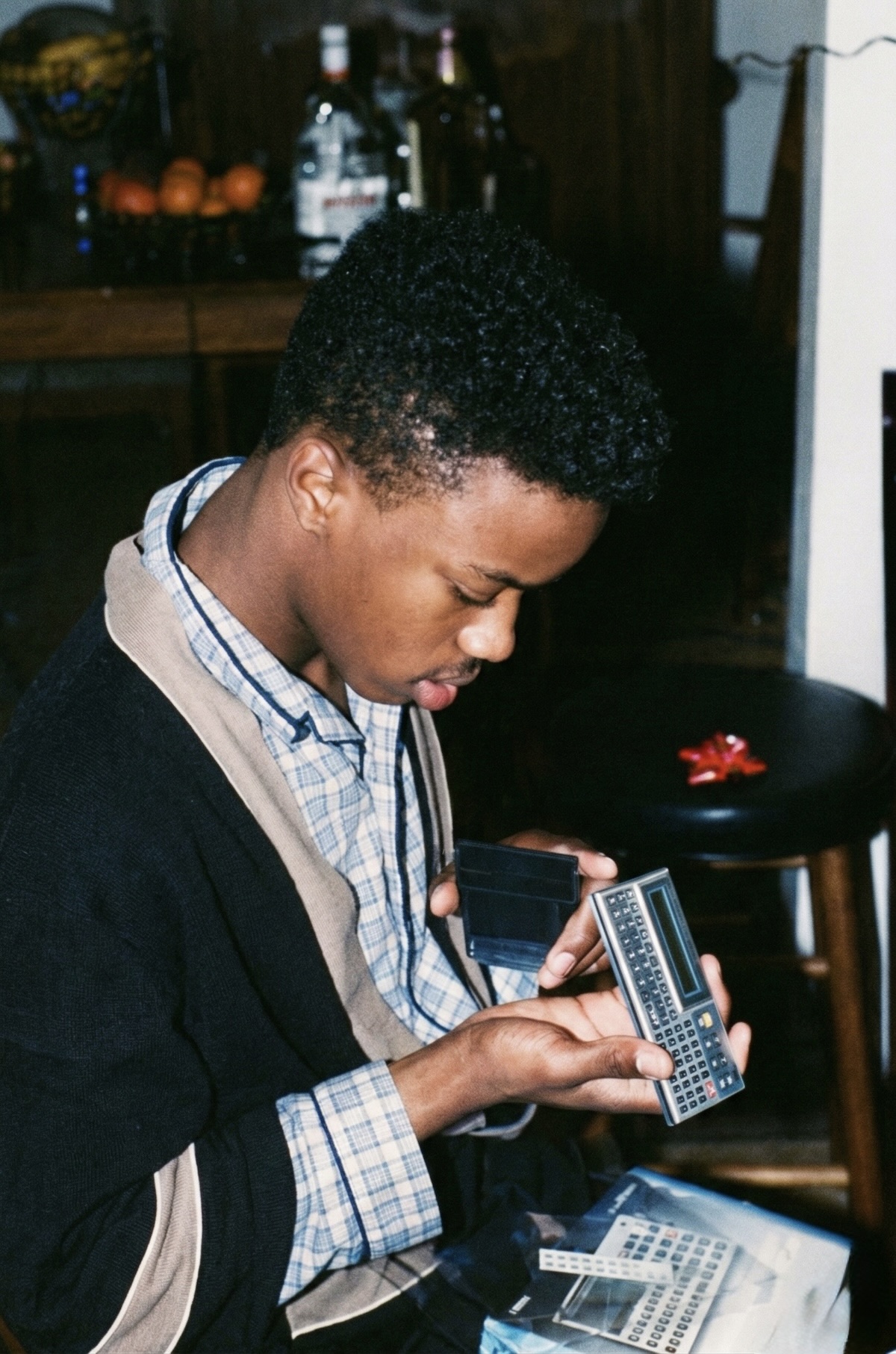
Then came the Commodore 64 — sixty-four kilobytes of RAM, no storage except a 1541 floppy drive. Dad brought home a PC once, along with a gigantic printer-plotter — the kind with actual pens. He loaded up a CAD model of the Space Shuttle and hit print. I sat there for hours watching it draw. Meticulously tracing the structure. Labeling everything on giant poster-sized paper. It was like science fiction.
He also brought home a “Hard Card” — a hard disk drive on a PC card. Twenty megabytes. Compared to my Commodore 64, that was massive.
Dad taught me early: don’t fear new technology. Put in the effort to understand it. Learn how to use it.
That philosophy shaped everything that came after.
Gotta know where you’ve been to chart where you’re going.
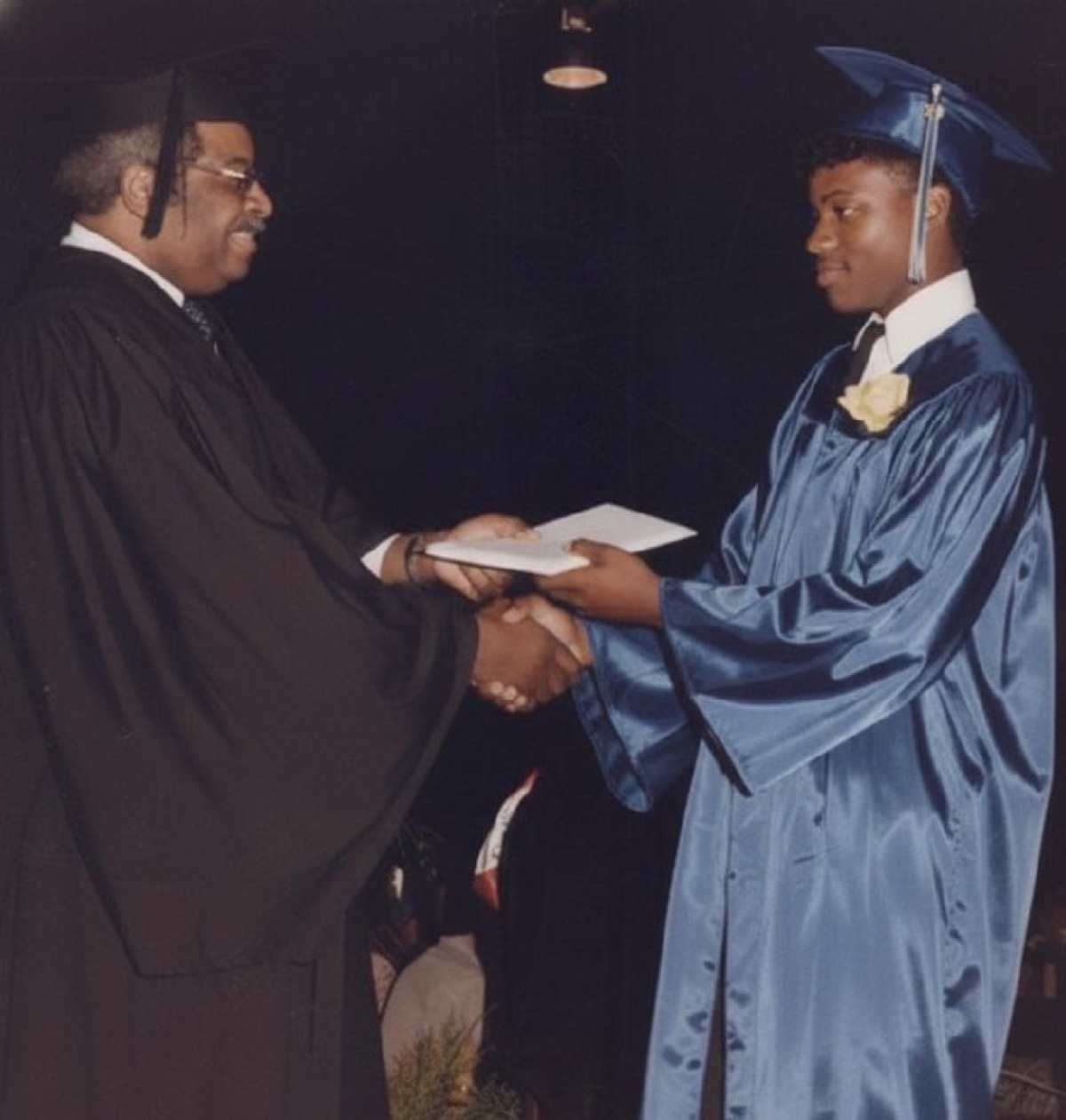
The Air Force (1987-1995)
I stood on Oprah’s stage wondering what it would feel like to be in that position. A few years later, I’d enlist in the United States Air Force.
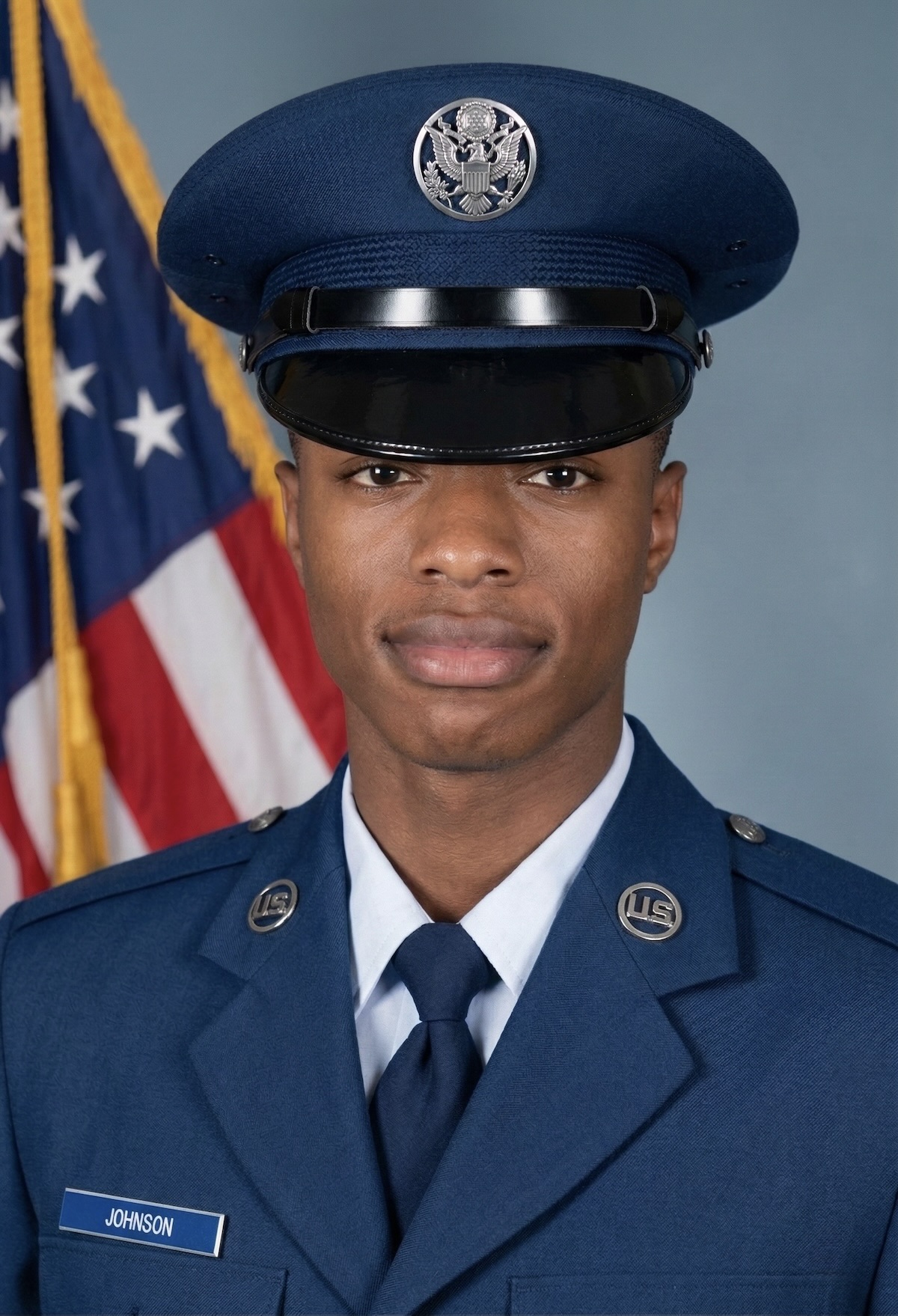
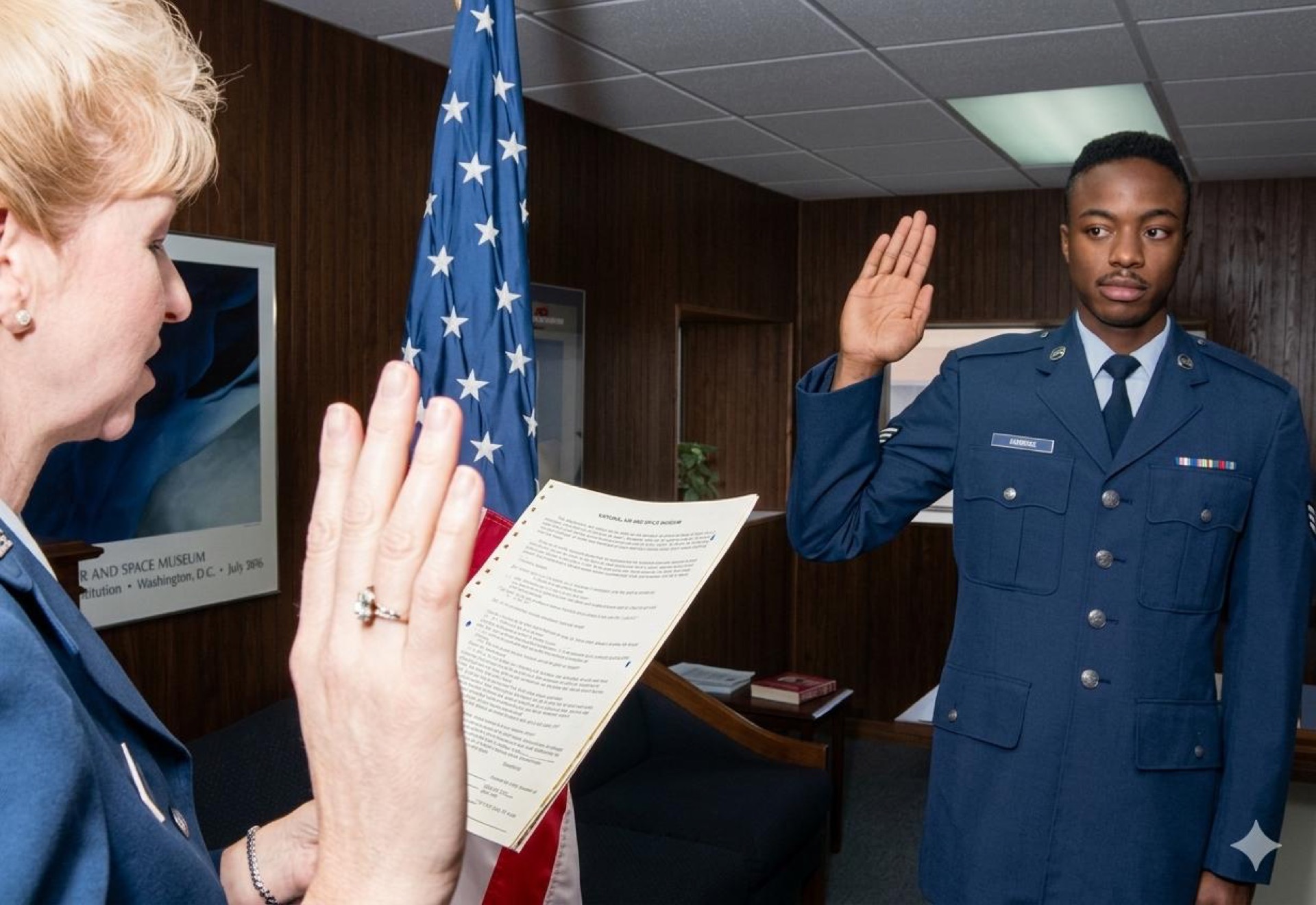
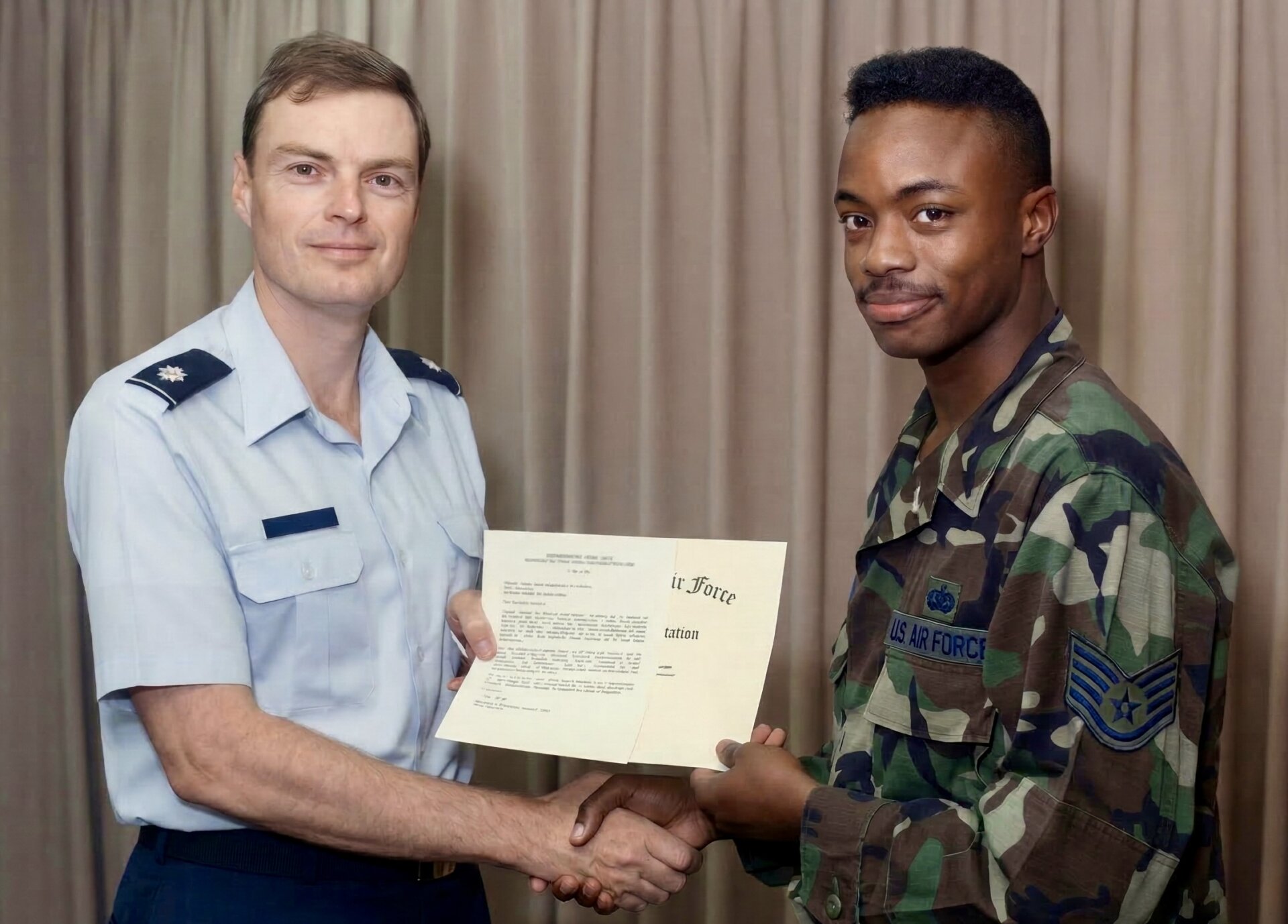
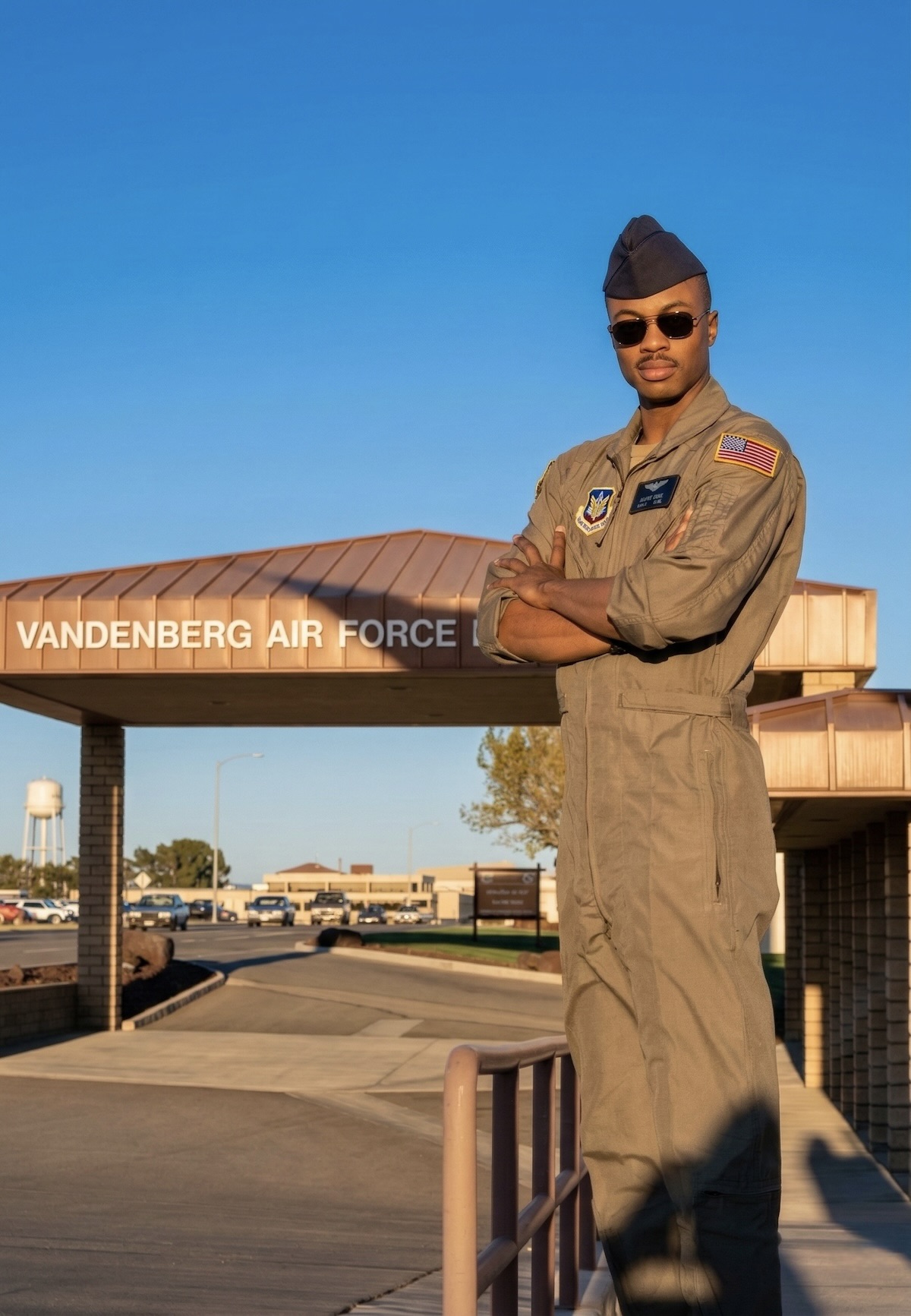
Combat Photojournalist career field. I shot. I learned how to see, how to capture, how to tell stories through images under pressure. Stationed at Yokota Air Base in Japan during Desert Storm and Desert Shield, then Vandenberg Air Force Base in California photographing rocket launches from helicopters. Eight years of active duty.
Building the First Digital Imaging Lab
At Vandenberg, I built the base’s first digital imaging laboratory from the ground up. Selected the workstations. Assembled the software stack — Photoshop, Illustrator, everything. Modernized how the Air Force handled visual communication at that installation. My unit was among the first in the entire U.S. military to receive and deploy digital imaging processes and DSLR equipment.
I drove that.
The Air Force gave me a Commendation Medal for it.
I walked away knowing something that would shape every move I made after: get to the shift before everyone else, and build while they’re still debating whether it’s real.
The Web Before the Web Was Cool (1995-1999)
After my honorable discharge, I studied Business and Visual Communication at UC Santa Barbara. Then I joined the San Jose Mercury News as Chief Multimedia Producer.
This was the very beginning of professional content creation for the web. Mercury Center — the newspaper’s online presence — needed someone to handle video, audio, and animation. I became the webmaster for the newspaper’s media content and delivery. We were figuring it out as we went.
One standout project: Gary Webb’s CIA exposé. We started experimenting with audio storytelling alongside the written pieces, using revolutionary new software called RealPlayer. Audio on the web. It sounds quaint now. Back then it was the frontier.
At some point I looked at the expensive Avid editing workstation sitting on my desk — its steep learning curve, constant headaches — and decided to try something new. Apple had just released the iMac in Bondi Blue, along with a little program called iMovie. No Final Cut Pro yet. Just iMovie.
I replaced a desk full of equipment with a single iMac. And it did the job better.
I’d basically created a smaller, modernized version of what I’d built for the Air Force. Simpler tools. Better results. That pattern would repeat for the rest of my career.
Silicon Valley (1999-2010)
Yahoo! (1999-2004)
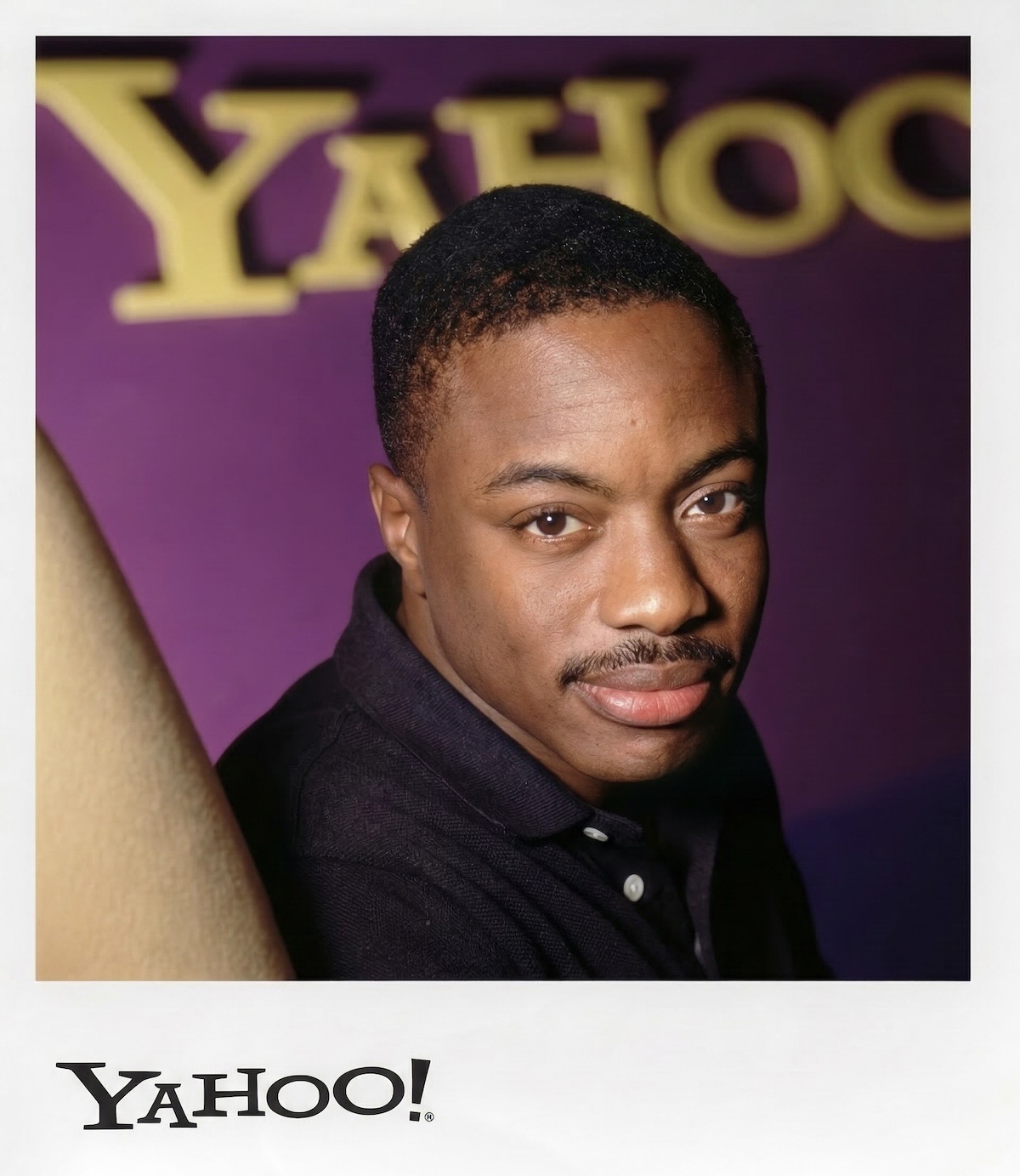
Yahoo! hired me as Senior Marketing Manager on their brand-new mobile team. The assignment: just figure out Yahoo!’s entire mobile strategy. My team coordinated the planning and rollout of Yahoo!’s first mobile products — Email, Calendar, Contacts, Finance. We brought in a startup called Online Anywhere through acquisition, and they became our engineering team.
After our first launch, I recall standing in a Starbucks on Stevens Creek Boulevard in San Jose when a woman in line ahead of me turned to her friend, beaming, bragging about how she could now check her email on her phone.
That was the moment it clicked.
We were building something people would use every day of their lives. And this was years before the iPhone existed.
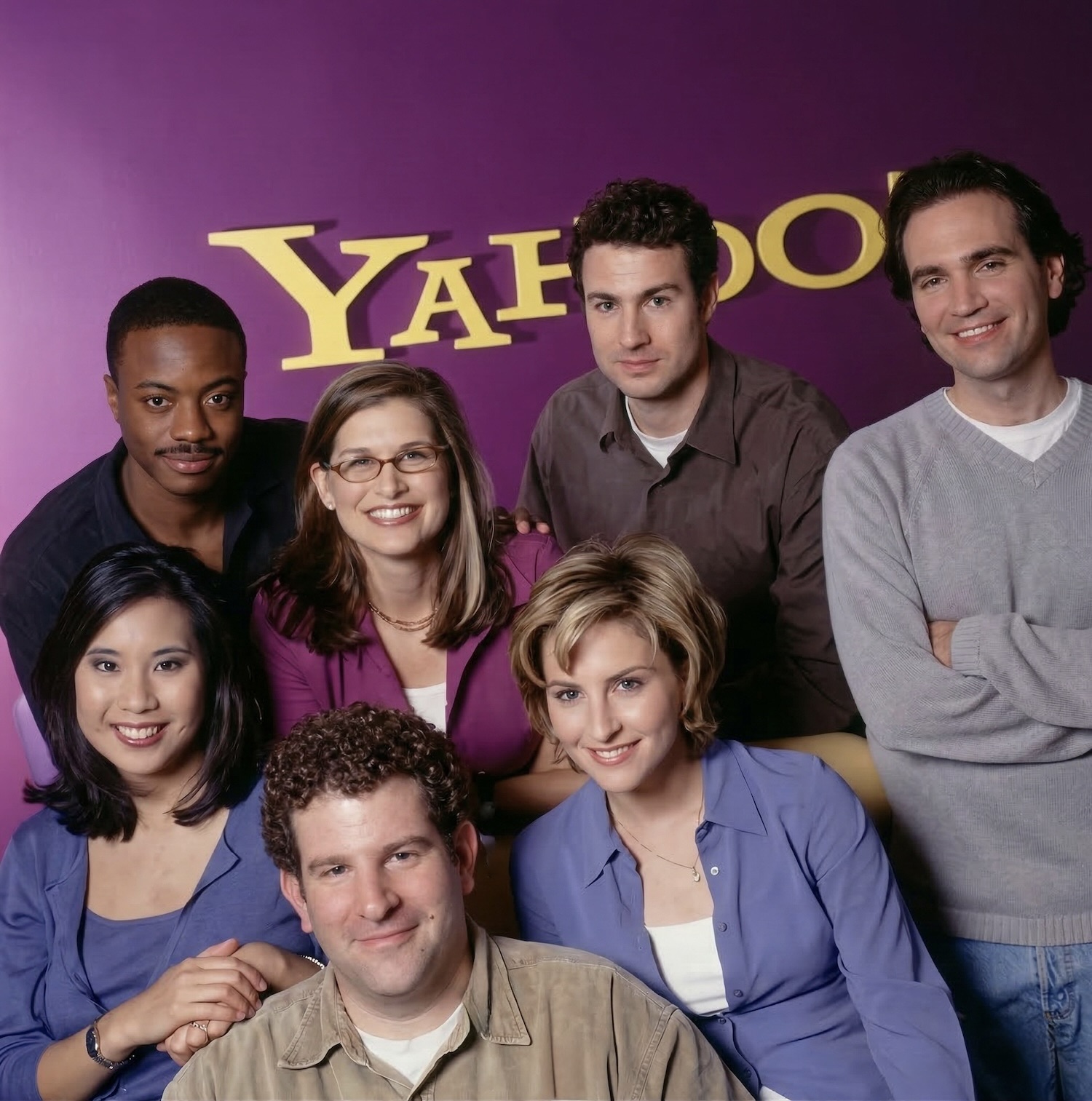
Then came Yahoo! FinanceVision — a multi-million dollar live streaming operation built inside Yahoo!’s own broadcast studios. Twenty-four-hour programming. I was one of the five on-air hosts.
And of course, my beat was technology.
FinanceVision started as a bunch of us having the time of our lives. We were kids playing news anchor — except the studio was real, the audience was real, and we were actually pretty good at it. But it still felt like a fun detour. A career experiment with great lighting.
Then September 11th happened.
We went live immediately. No FCC delays, no broadcast tower limitations, no waiting for satellite uplinks. Just the internet — raw, fast, and unconstrained. Our NASDAQ correspondent Mary Snow reported from the scene while traditional networks were still scrambling their logistics.
For some people that day, we were their only source for what was actually happening. Not because we were bigger or better funded than the networks. Because the internet didn’t care about any of that. It just cared about speed and access.
That was the moment I understood what my father had spent his entire career building — except without the physical constraints. The microwave trucks, the satellite dishes, the buildings full of engineers. All of it replaced by a connection and a camera.
After that morning, FinanceVision didn’t feel like a detour anymore.
Apple (2004-2007)
Apple brought me in as Senior Product Manager on the Digital Imaging teams. iPhoto. iDVD. Aperture. I worked on the tools that defined how an entire generation organized, edited, and shared their photographs. Inside Cupertino, surrounded by people who believed that technology should disappear into the experience.
That philosophy, and the obsessive attention to detail, changed how I think about everything.
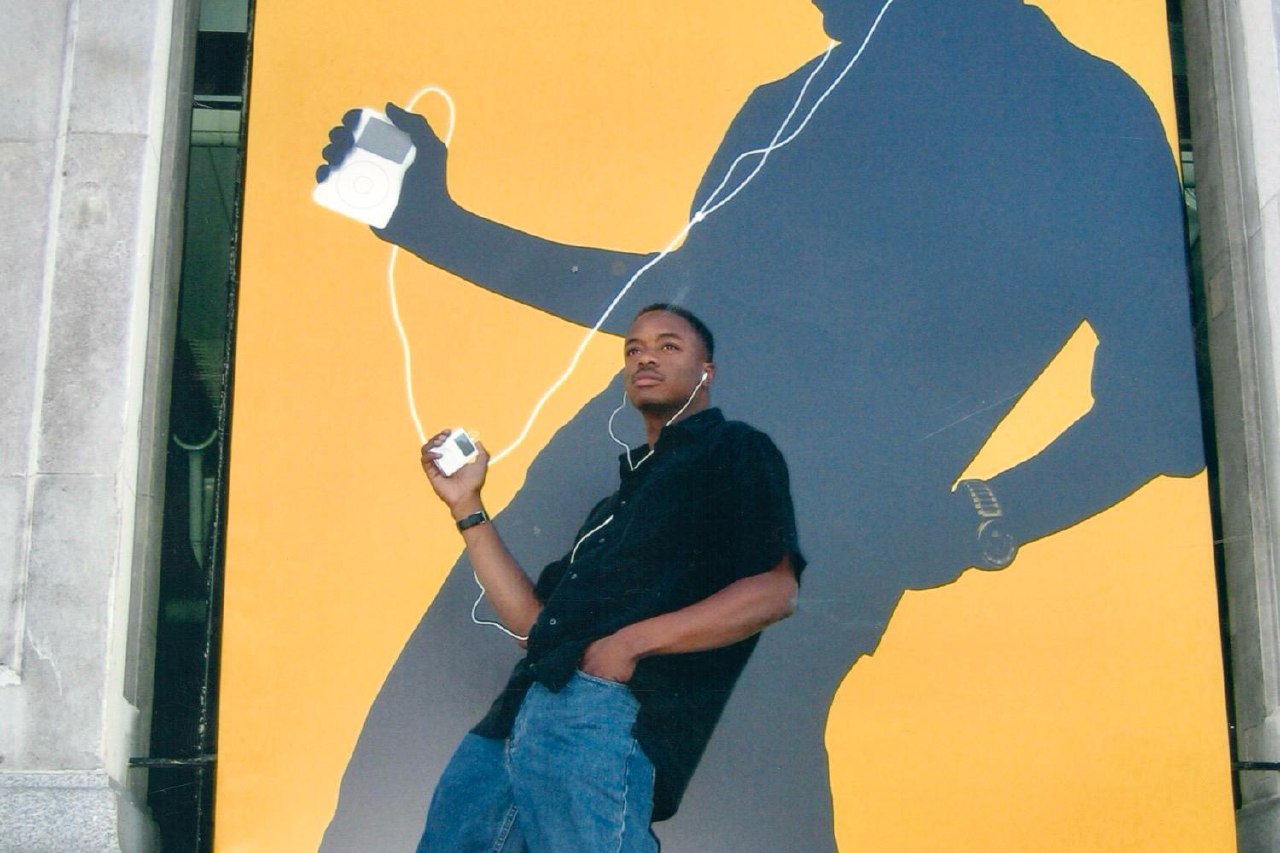
I also traveled to London with a small team to launch the iTunes Music Store in the UK — right when Apple released those iconic silhouette iPod ads. We were reshaping how people consumed media, globally, and I got to help build that shift from the inside. Not to mention I got to meet Alicia Keys, the launch’s featured musical guest.
Adobe (2007-2010)
Adobe came next. I joined a small team building Lightroom when Apple’s Aperture was already losing ground. Feature set decisions. Go-to-market strategy. I was the bridge between Adobe’s engineering team and the professional photography community — translating what photographers actually needed into what the product actually did. Product launch execution from box art to Apple Store creative treatment.
I got to sit in rooms with Photoshop author John Knoll, and learn how Photoshop evolved from a little program called “Display” to mission-critical software that changed, and continues to change, the entire world.
We made Lightroom the standard. It still is.
Apple and Adobe give me credibility and connections in the photography community. I didn’t just use the tools. I helped build them.
The White House (2010-2011)
They asked me to stand in for President Obama.
The occasion was the first-ever live-streamed White House Town Hall — a conversation between the President and American citizens, broadcast to the world in real-time. Three days of rehearsal off-site. I dressed like him. Nice suit, blue tie, American flag pin. Practiced responses with the actual citizens who would be asking the questions.
On the day of the event, I sat in Obama’s chair in the Roosevelt Room making my best attempt at appearing presidential — while they set the lighting, cameras, and sound. Secret Service watching from every corner.
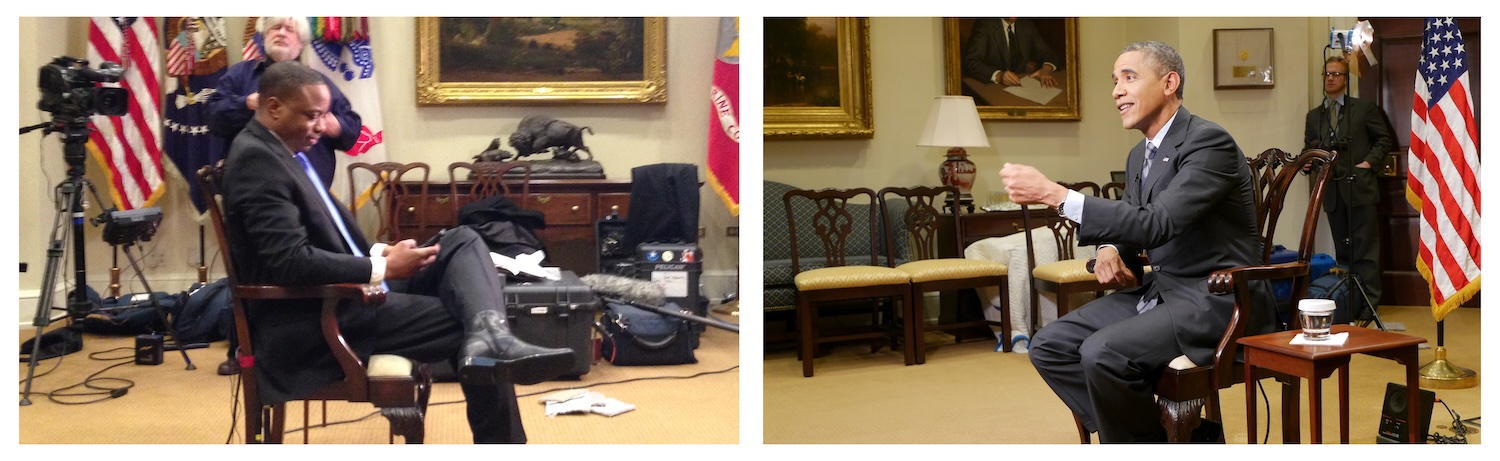
He came in late — rushing to meet Michelle for Valentine’s Day — I got up, he sat down, and the livestream went perfectly.
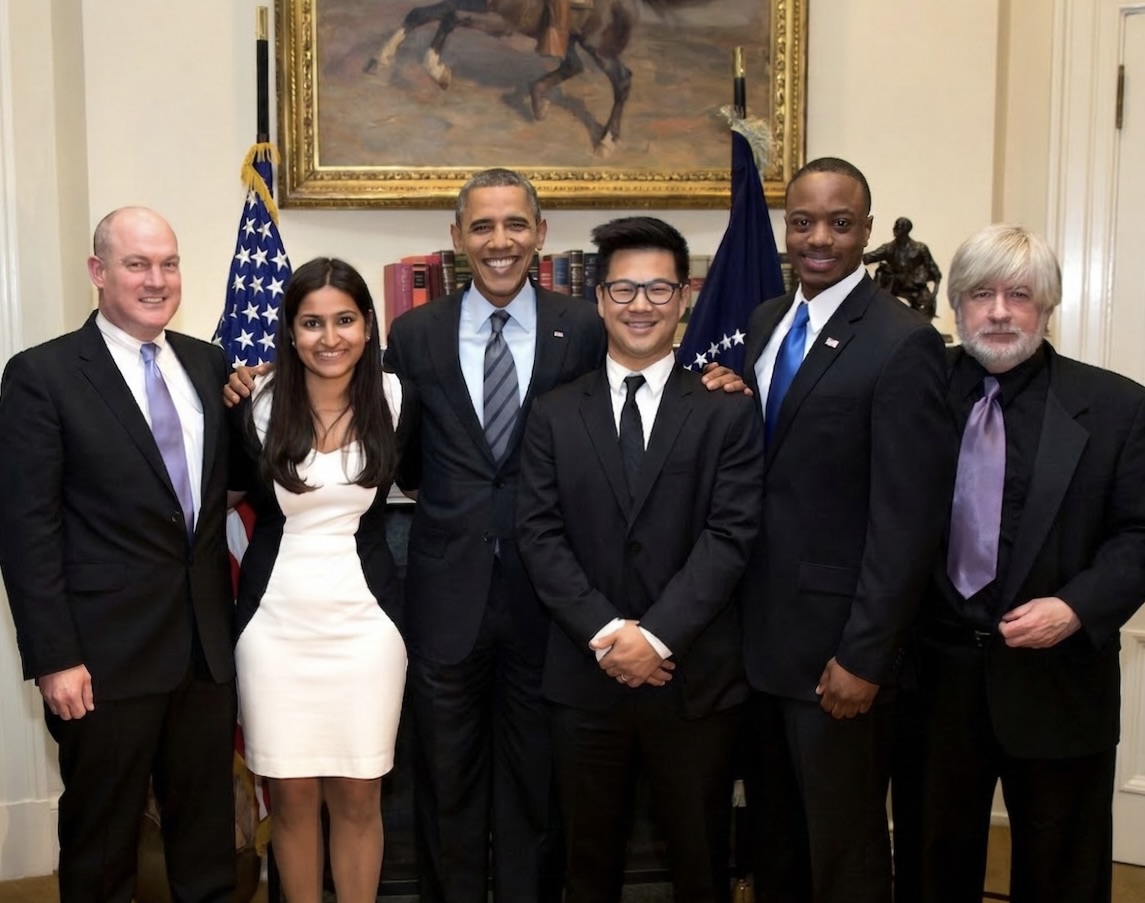
At the meet-and-greet handshake line afterwards, he said to me, “I hear you’ve been impersonating me!”
I responded nervously: “Yes sir. But only in the best way possible.”
The next year, we did it again. This time when he reached me in the line, he said, “Hello Frederick, nice to see you again.”
He remembered my name. I don’t think he greeted anyone else that way.
Building Things That Last (2010-Present)
Brooks Institute. I served as final Chairman of the Board at one of the most prestigious photography schools in the country, then sadly, coordinated the institution’s sale. That experience taught me more about the gap between what institutions promise and what the real world actually demands than any classroom ever could.
This Week in Photo (2015-Present). I took over TWiP when it had only a few thousand listeners and no infrastructure beyond a weekly audio podcast. I applied everything I’d learned about marketing and systems, and turned it into one of the most respected photography podcasts in the world. Over 100,000 followers. A community that photographers trust. In 2022, Awesome, Inc. — parent company of SmugMug and Flickr — acquired TWiP. I joined the organization and now run TWiP as an operating unit while working across strategy, content, and community for SmugMug, Flickr, and the broader photography world. Every single day, I use the systems I’ve built to multiply myself.
International Photography Hall of Fame and Museum (2018-Present). I sit on the board, transitioning from Secretary to Vice Chair. This work matters to me because I’m one of the few people who can speak both languages fluently — honoring the legacy of photography while also standing at the cutting edge of what’s next. That balance is rare. It’s also more necessary than ever.
What I’m Building Now
My father was Chief Engineer at ABC, WLS-TV.
I built my own version — except I’m also the on-air talent.
Over the years, I’ve learned how to run a full media operation solo. I’ve built tools and processes that let me operate at scale without a team. Every lesson from the Air Force, Mercury News, Yahoo!, Apple, Adobe, TWiP — distilled into systems that actually work. Dad’s WLS-TV needed a building full of people and microwave dishes. I do it from a single workstation and a smartphone.
Today, in addition to growing and enhancing TWiP — I work with a very small number of clients and partners who understand that sustainable creative businesses aren’t built on hustle alone. They’re built on systems, intelligence, leverage, AND hustle.
I speak on stages about what artificial intelligence actually means for creative professionals. Not the hype. Not the panic. The real operational shifts that are happening right now and how to respond to them.
And I’m building new infrastructure for creators who think like operators. People who love the craft but refuse to stay broke doing it.
The Part That Matters Most
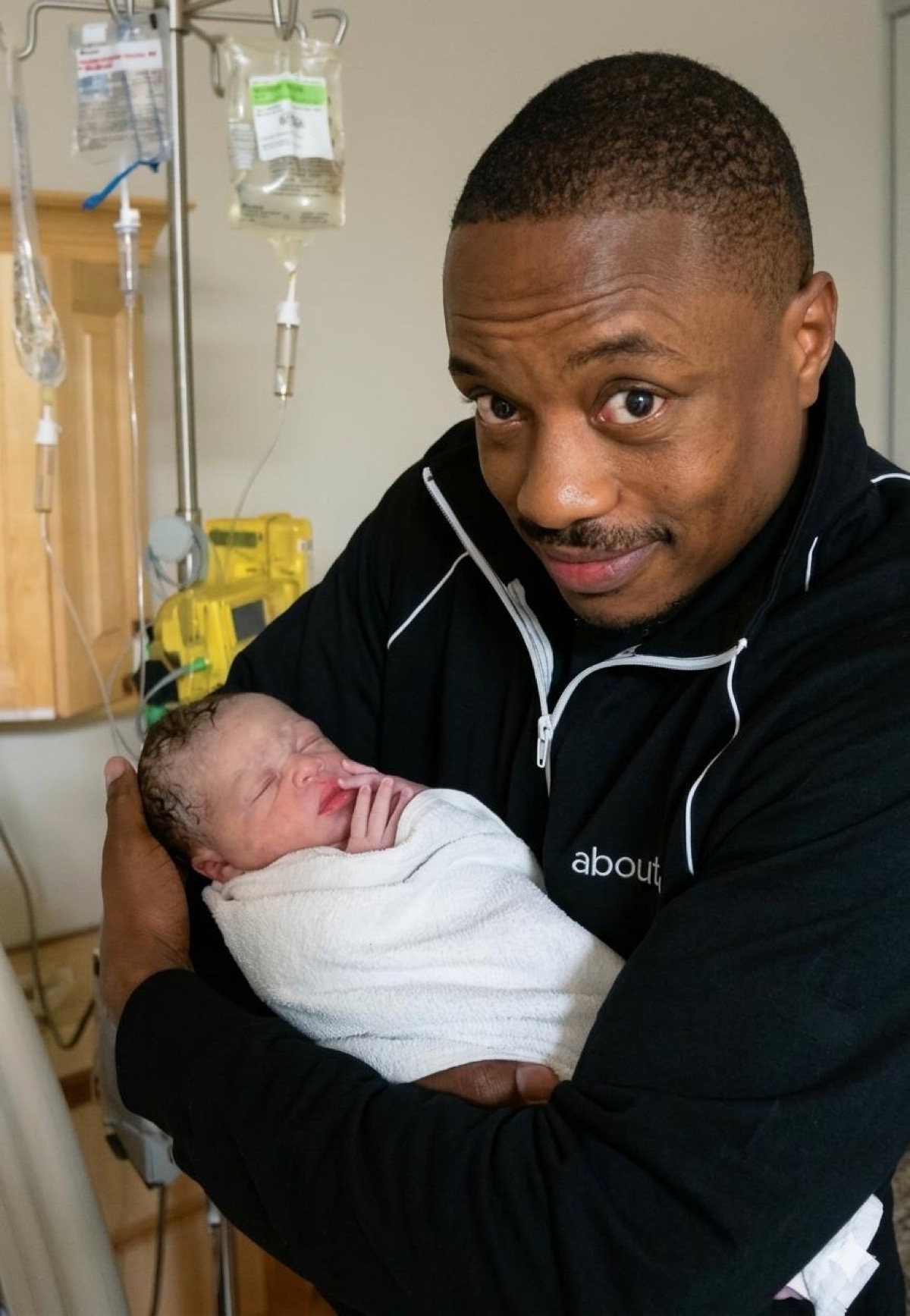
I’m a father of four.
Cameron LeShawn, my oldest, is on the leadership team at Ford Motor Company in Chicago — with four kids of his own who call me “Grandpa Fred.” Eric is twenty-five and building AI systems at NEC in Japan. Alexis is twenty-eight and running Jiggy Curls in Japan — her own business. She saw a vacuum in the market and filled it. Her brother built the website. I helped her systemize it. Cameron Ruth is twelve and right here with me in Tracy, California, watching her dad build all of this in real-time.
Everything I’ve done — the Air Force, Silicon Valley, the White House, every stage and every microphone — is context.
But this is the point.
I want my children to see the full picture of who their father is. Not the podcast host. Not the conference speaker. The builder. The one who kept showing up at the frontier and making something out of what he found there.
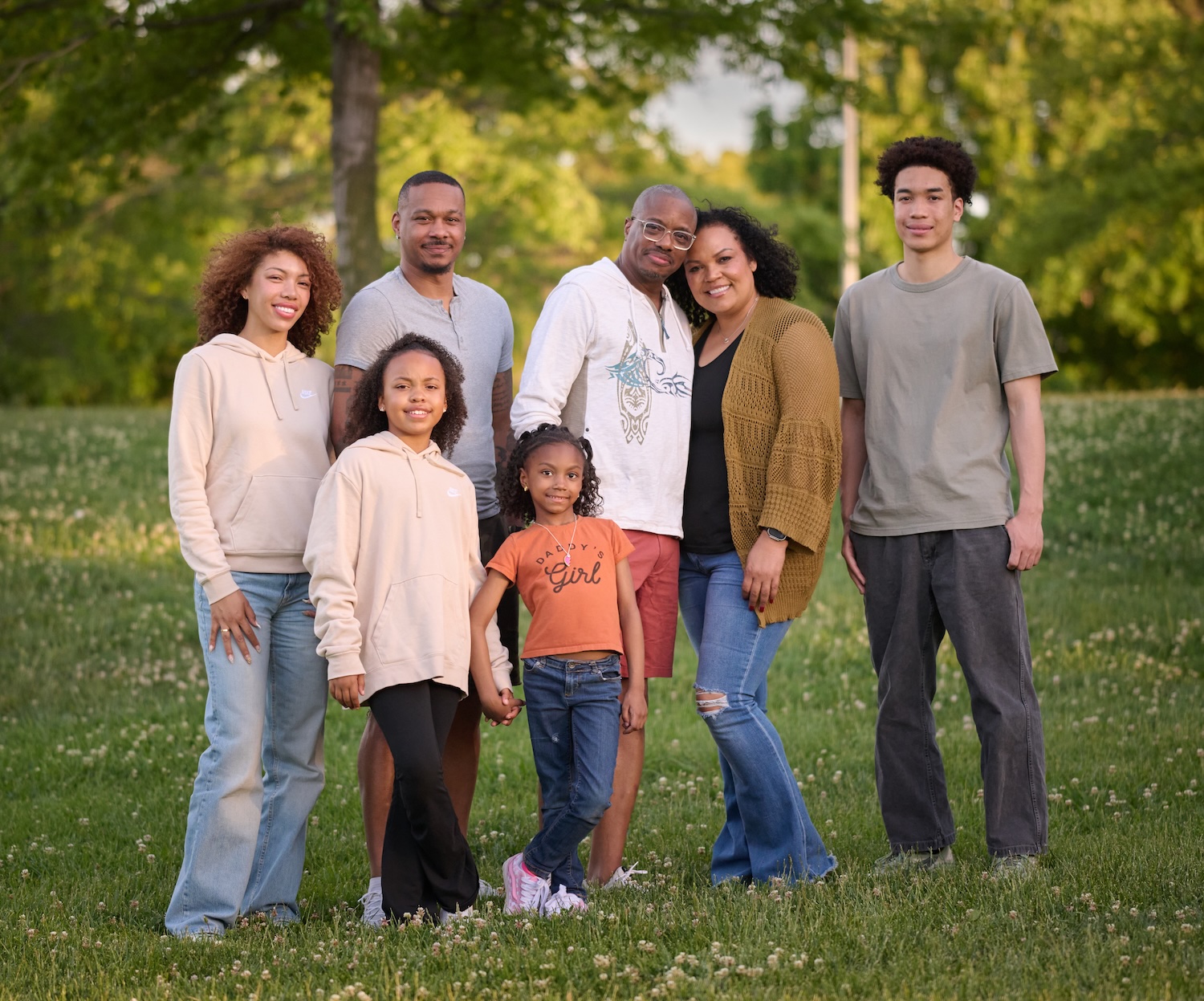
I live with my partner Nichole — my best friend — and our two cats. Nichole works in government and healthcare. It’s high-touch, people-focused work. Almost the opposite of mine. Some of her stories make the introvert in me cringe.
She keeps me grounded. The “kids” keep me focused. The cats keep me humble.
If you want to work together, reach out. If you want to follow along, stay close.
Want to talk? Contact me →
Want to follow along? Subscribe →